top of page

Blarney and Dublin

July 3, 2026


We left Killarney in the morning, passing by the Franciscan Friary on our way out.

Then we enjoyed a beautiful drive to County Cork.

We stopped for a 2 to 3 hours at Blarney Castle.
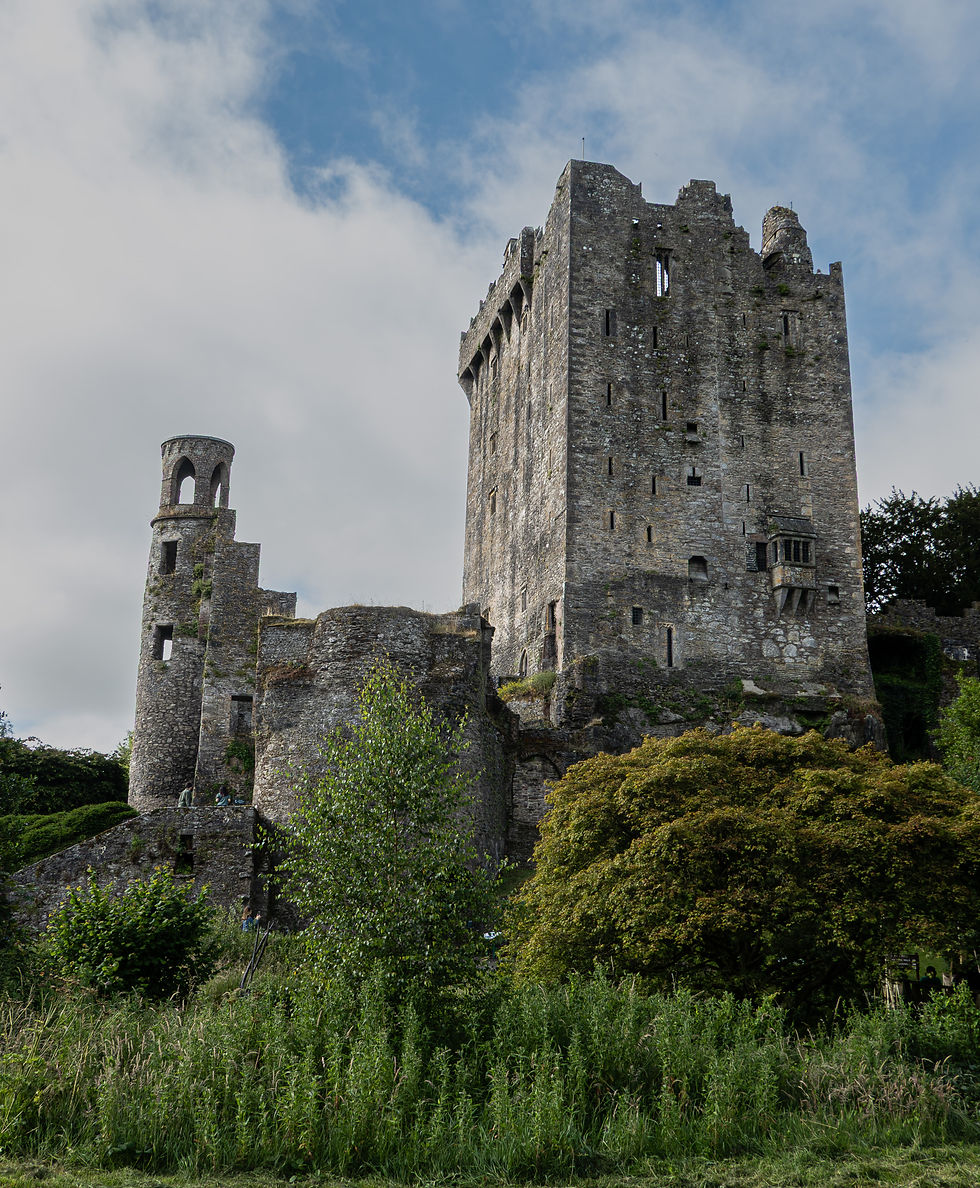
The highlight of Blarney Castle is to kiss the Blarney Stone which involves over 100 steps on a narrow winding staircase and then bending backwards to kiss the stone with help from supportive attendants (at least you no longer need to be hung by your feet). Brent and I already done it and I had not desire to be blessed with the gift of gab, so we skipped that step, but were able to watch others from the grounds at the base of the castle.


Instead of waiting in line for over an hour to kiss the Blarney Stone, we used the time to explore the grounds. The lookout tower here was once an important part of the castle defenses.

There were many different garden areas throughout the grounds. We visited the Rock Close first. This garden was styled to remind visitors of the ancient Druids who once lived here. They served as the religious leaders of ancient Ireland before Christianity displaced them.

There are also several reminders of the legend of the Blarney Witch who blessed the Blarney Stone with the "gift of gab" when Lord MacCarthy saved her from drowning. Legend claims she is now trapped in the "Witch's Stone".

Next we visited the other side of the castle where there were many themed gardens. To get there, we passed under a beautiful rose pergola and admired the many different flowers that lined the Herbaceous Border

Rosa Cecile Brunner
Rosa Cecile Brunner
Clematis "Comtesse de Bouchaud"
Peruvian Lily
Peruvian Lily
Rambling Rector Rose

Throughout the 60 acres of gardens surrounding the castle, there is a Castle Sculpture Trail featuring many different sculptures such as this kinetic wind sculpture.


We enjoyed the Carnivorous Courtyard Corridor.

Venus Fly Trap
Venus Fly Trap
North American Pitcher Plant
The underside of the North American pitcher plant when it blooms. The umbrella-shape umbrel catches falling pollen it collects for the pollinators. During this stage, the plant has not yet developed the carnivorous pitchers so pollinators can safely collect the pollen.

The Poison Garden was our next stop. The ominous name warns visitors that these plants are toxic and dangerous to eat or sometimes even to touch. However, many of these dangerous plants also have valuable healing properties when used the right way.


Calla Lily - The calcium oxalate crystal cause burning and swelling. However the leaves of this plant were traditionally used in poultices to ease the pain of burns and cuts. The rhizomes (underground stems) were boiled to help breathing for people with asthma or bronchitis.

Touching the leaves of Herb of Grace (Common Rue) on a sunny day can give you blisters and chemical burns. If too much is eaten, it can damage your liver and kidneys and cause internal bleeding. Despite its dangers, this herb was prized by healers in the past for its ability to ease cramping and pain.
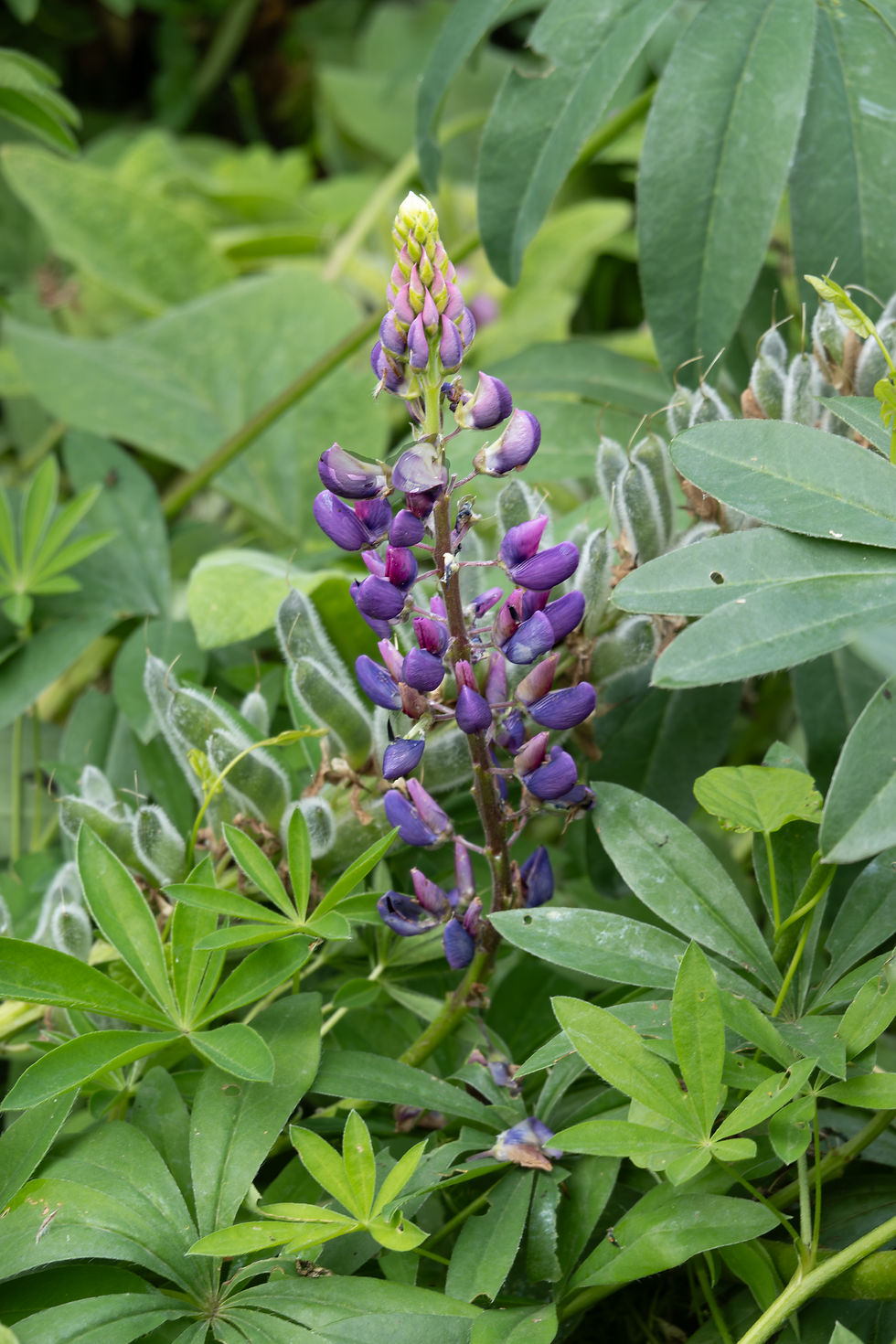
The seeds of the Lupine are its most toxic parts (although all of the plant is poisonous). Eating them can cause trembling, nausea, rapid heart rate and stop your breathing. However, when boiled and used in a poultice, they also can reduce swelling. Modern day medical research has found that with special processing the fibers can reduce blood pressure and lower cholesterol. The proteins from the plant can help people with diabetes control their blood sugar.

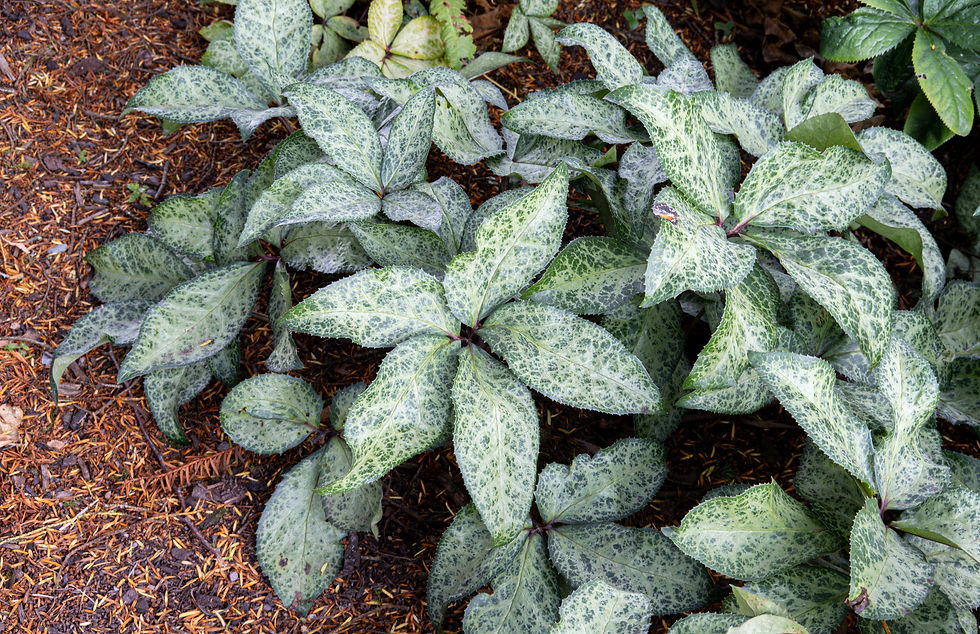
Touching Hellebore can cause blistering and burns and eating it can slow your heart rate so much that it stops. However, it has been used to kill lice and fleas and some ancient doctors once believed it could cure epilepsy and melancholy by purging "black bile" from the brain.

There were a pair of wagons on display used in the past by Irish Travelers. The Irish Travelers developed as a group of native Irish who adopted a more nomadic lifestyle in the 17th century. They even developed their own language, Shelta, which blends Gaelic and English.


The Seven Sisters are a tribute to the ancient stone circles made up of standing stones that can be found throughout Ireland and the United Kingdom.

Also in the Seven Sisters garden, was a lovely heron sculpture surrounded by purple top verbena.

We finished a bit early and spent some time watching the Western Jackdaws, the smallest crows in Ireland.


After a long drive back to Ireland (not particularly scenic as we used the main highway), we arrived in Dublin.

Although the official city tour was tomorrow, we did drive through Phoenix Park on our way through Dublin to the hotel.
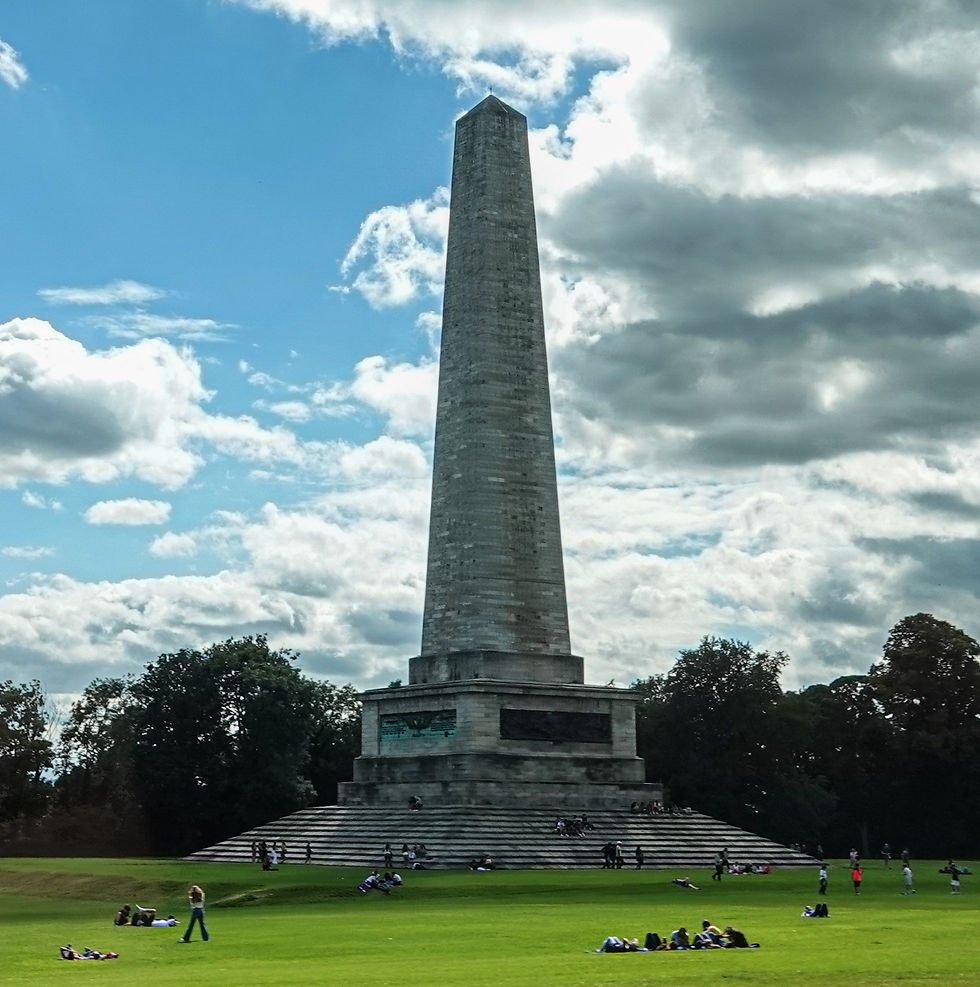
The Wellington Monument honors Arthur Wellesly, the first Duke of Wellington (of cone-hat fame in Scotland). The bronze panels at the base were made from melted-down cannons used at the Battle of Waterloo again Napoleon.
Áras an Uachtaráin is the official home and workplace of the Irish president since 1938 after the Irish war for indepence. (I thought of it as the Irish White House,) It was originally built as the private home of a park ranger in the 1700s.

Our hotel was just across the River Liffey from downtown Dublin. There were many foot bridges that could be used to cross over such as the Seán Heuston Bridge. (It's name changed in 1941 from the King's Bridge in order to remember one of the leaders of the 1916 Easter Rising.

We ate at a restaurant connected to our hotel tonight. I had Irish stew again (but it was not as good as the one at the Blue Bull) and Brent had a seafood plate.


Comments


P1330455.JPG

About Me

I'm a teacher who loves to travel with my retired husband, Brent, a retired teacher. I keep this blog so my students and their families can follow my travels and learn more about the world.


© 2023 by aroundworldwithteacherholly. Powered and secured by Wix


    bottom of page